Anthropic Unveils Claude 3.7 Sonnet: The First Hybrid Reasoning Model with Dynamic Thinking Budgets
SAN FRANCISCO — August 14, 2026 — In what industry researchers are calling a seminal paradigm shift, AI safety and research lab Anthropic has officially released Claude 3.7 Sonnet. As the industry's first true hybrid reasoning model, Claude 3.7 Sonnet eliminates the friction between fast conversational responses and heavy reasoning models by letting users and autonomous agents dynamically budget their reasoning compute.
1. The Hybrid Paradigm: Speed When You Need It, Deep Logic When It Counts
Previously, developers were forced to choose between two separate architectures: conventional autoregressive models optimized for low latency, or dedicated "thinking" models (such as OpenAI's o1/o3 series) that enforce extended inference latency on every single token.
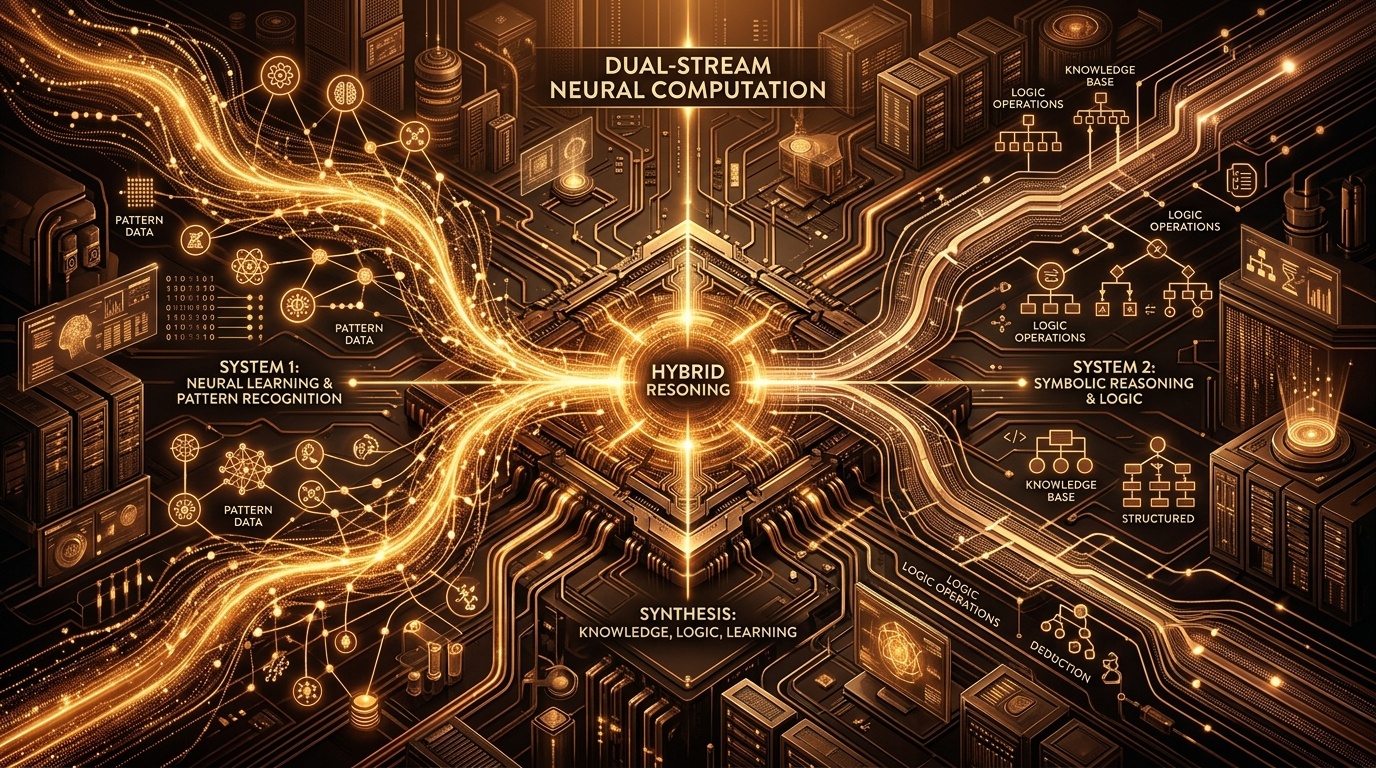
Claude 3.7 Sonnet bridges this gap into a unified model. Developers can configure a token-level "thinking budget" via the API or toggle between standard and extended thinking in the web interface. For everyday natural language queries, it responds in sub-second time. For intricate architectural refactoring, full-stack debugging, or complex legal synthesis, it allocates thousands of tokens to explore branching logical hypotheses before delivering a verified result.
"Developers shouldn't have to swap models depending on whether a query needs two seconds or two minutes of contemplation. Claude 3.7 Sonnet represents a unified reasoning substrate for autonomous software engineering."
2. Crushing SWE-Bench and Multi-Step Coding Benchmarks
In empirical benchmarks, Claude 3.7 Sonnet sets new state-of-the-art records across industry-standard evaluations:
- SWE-Bench Verified: Achieves market-leading resolution rates on complex, multi-file GitHub issue tickets.
- Autonomous Tool Calling: Drastically reduces execution hallucination when invoking bash commands, file parsers, and external APIs.
- Chain-of-Verification: Performs internal unit testing and logic sanity checks prior to emitting executable code payloads.
3. Enterprise Workflows & SyncFlo Integration
For enterprise teams deploying autonomous pipelines, Claude 3.7 Sonnet provides the ideal foundation for multi-agent collaboration. Platforms like SyncFlo AI can orchestrate high-throughput triage agents with zero thinking budget for customer interactions, while assigning extensive thinking budgets to specialized background agents running continuous code reviews, competitive intelligence analyses, and automated marketing flows.
Sources & Owner Credits
This article references official research publications, technical documentation, and release notes authored by Anthropic PBC (anthropic.com). Research led by Dario Amodei, Daniela Amodei, and the Anthropic Frontier Research and Interpretability Teams. Visual assets and editorial analysis produced by SyncFlo AI News Editorial.